Information
Landmark: Arctic-Alpine Botanic GardenCity: Tromso
Country: Norway
Continent: Europe
Arctic-Alpine Botanic Garden, Tromso, Norway, Europe
Visual Characteristics
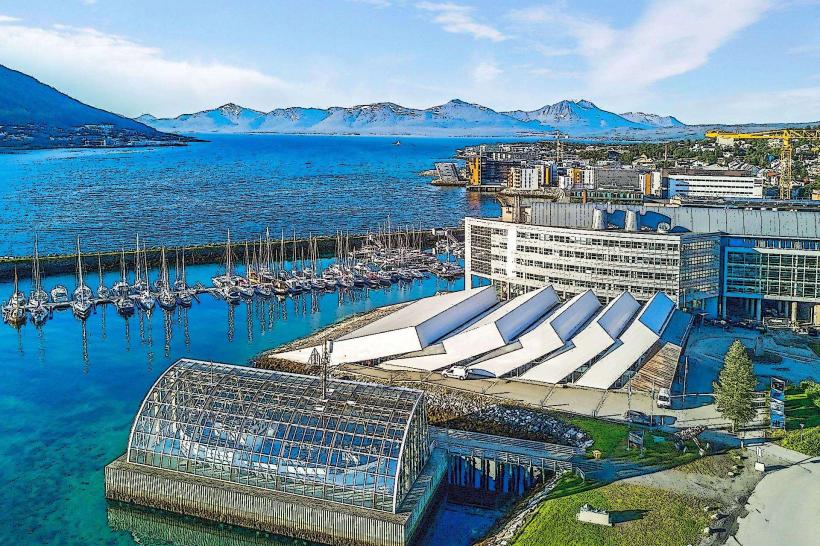
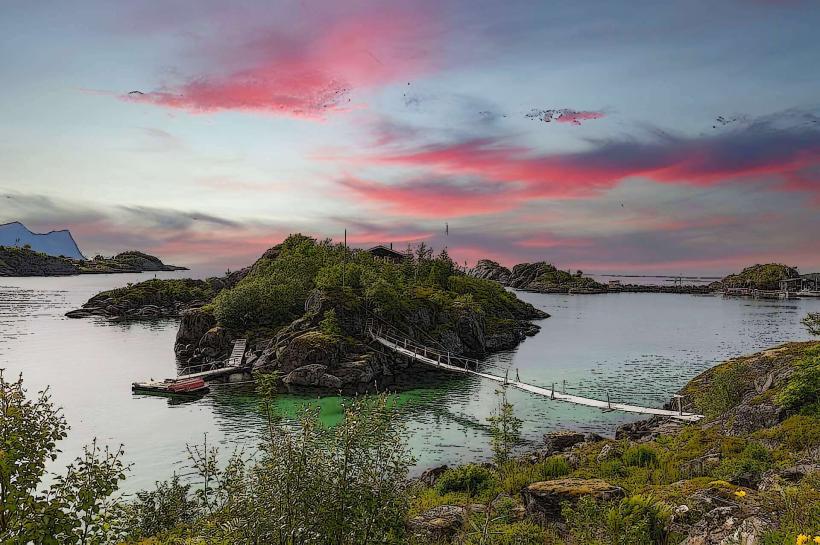
The garden features a diverse collection of cold-climate flora, arranged in rockeries, themed beds, and naturalistic settings. Plant species include arctic, alpine, and high-mountain varieties from various continents. The terrain is gently sloped, offering open views of the surrounding mountains and the Tromsøysundet strait. Dominant colors shift seasonally, with vibrant greens and various flower hues in summer, transitioning to muted tones in autumn and winter.
Location & Access Logistics
The garden is situated on the campus of the University of Tromsø, approximately 3.5 km North-East from Tromsø city center. Access is primarily via Hansine Hansens veg. Limited free parking is available in designated areas adjacent to the main entrance. Public transport is available via Troms fylkestrafikk bus lines 20 and 33, with a stop named "Botanisk hage" directly outside the garden entrance.
Historical & Ecological Origin
Established in 1994, the Arctic-Alpine Botanic Garden was founded by the University Museum of Tromsø. Its primary purpose is the cultivation, study, and conservation of cold-climate plants, serving as a research and educational facility. It is classified as an alpine and arctic botanical garden, focusing on species adapted to harsh, cold environments, including those from polar regions and high mountain ranges globally.
Key Highlights & Activities
Visitors can observe plant collections from the Arctic, Himalayas, and Southern Hemisphere, including a dedicated section for plants from the Andes and Africa. Specific areas include a traditional medicinal plant garden, a rhododendron collection, and a section for plants from the Norwegian mountains. Self-guided walks are facilitated by informational signage detailing plant species and their origins.
Infrastructure & Amenities
Restrooms are available near the main entrance. Limited seating, including benches, is provided throughout the garden. Shade is naturally provided by larger plant specimens and some small structures. Cell phone signal (4G/5G) is generally strong across the site. A small gift shop is located at the entrance, offering plant-related items and souvenirs. No dedicated food vendors are within the garden, but a university cafeteria is located nearby on the campus.
Best Time to Visit
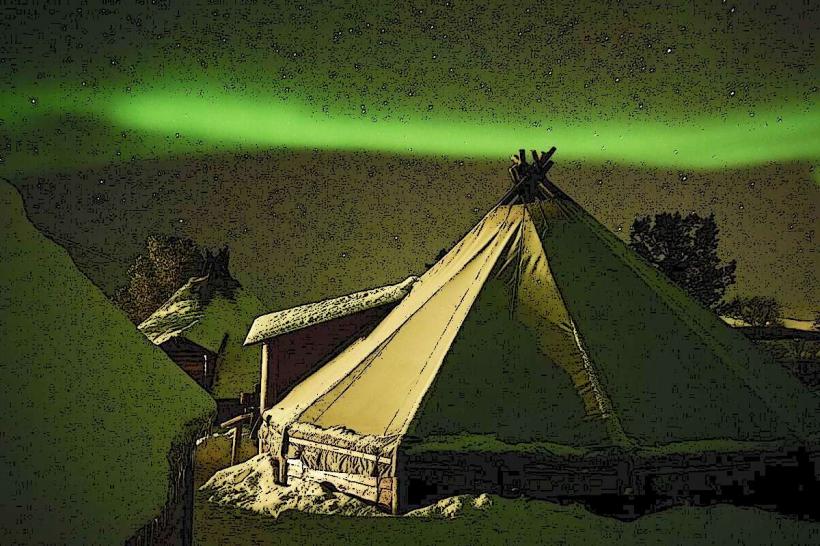
The optimal period for viewing flowering plants is from late May to late July, when most species are in bloom, coinciding with the polar day. Early morning or late afternoon offers softer light for photography. The garden is accessible year-round, but plant diversity and activity are highest during the summer months. Winter visits offer a unique perspective of the garden under snow and polar night conditions.
Facts & Legends
The Arctic-Alpine Botanic Garden holds the distinction of being the world's northernmost botanical garden, situated at 69°40'N latitude. A unique aspect of its cultivation is managing plants that experience continuous daylight during the polar summer and continuous darkness during the polar night, requiring specific adaptations for growth and dormancy cycles.